




Design Tips For Injection Moulding !
Release time:
Category: Resource Design Tips
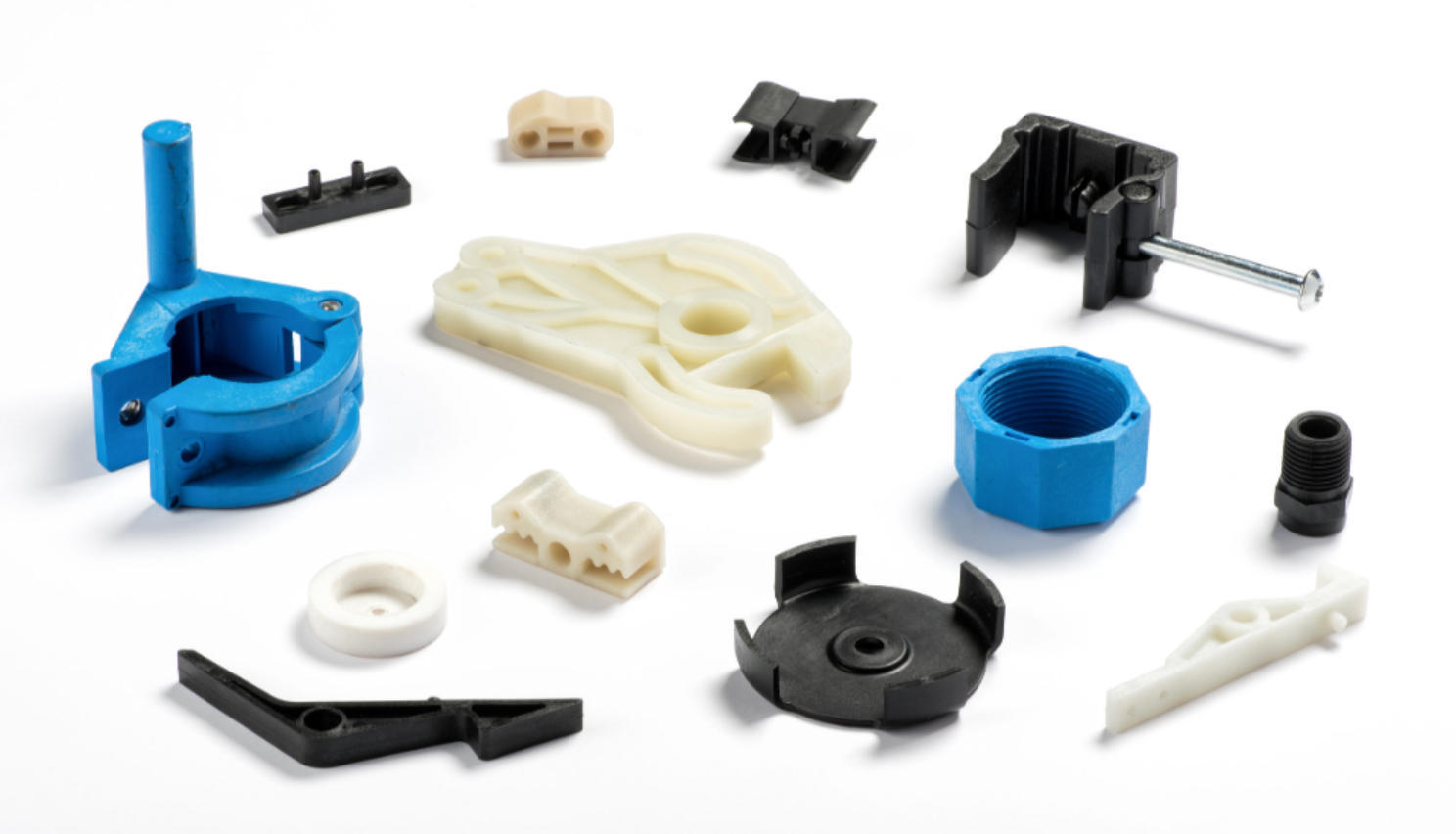
Iniection molding is one of the most ubiquitous and accessible processes that you can use to manufacture your products. The versatity oiinjection molding that makes it such a good choice for so many products does not, however, mean that certain design aspects andconsiderations can get overlooked. in fact, understanding the injection molding process and the qualties of product design that are most suitedto it can go a long way toward improving the efficiency of your production runs and the quality of your end products.Taking just a few minutes to learn (or remind yourself of) some principles of design to incorporate in your injection molding designs is morethan worth the efort it can save you in the future. Read below to learn more about iniection molding design tips.
1. Uniformity is best.
A)Varying wall thickness creates uneven fill throughout the cavity
B)Thinner sections will cool faster than thicker areas causing highly stressed areas where distortion and warping wil occur
C)lt is recommended to core out the thick areas to create uniform walls, which wilreduce cycle time and plastic usage and improve partcosmetics
D)Depending on the type of material being used, nominal wall thickness should not vary more than 15% smooth trumps sharp. Use radi whenpossible and avoid sharp transitions between wall sections.
2.Draft is your “frenemy.
Adding a draft angle to the faces of your pat is helpful to release it from the tool, yet it can cause design challenges especialy for matingparts. Recommend minimum drat angles are one degree on untextured core and at least three degrees on textured cavity suraces.
3.Avoid surfaces with zero draft unless necessary.
If you do need a zero-drat area to ensure proper part mating and tolerances, try to minimize it to just a portion of the face, not the whole surface.
4.simpler is better.
Avoid undercuts (areas that cannot be formed via the simple open/shut direction of a tool). When simple won't work, lifter and slides allowfeatures to be formed that are undercuts in the main pull direction. lfso,leave at least 2 to 3 times the width of the feature to allow the lifter orslide to travel.
5.Transition from thick to thin.
Parts wil form better if plastic fows through features moving from greater to lesser wall thickness starting from the gatels) (where the plastic first flows in to fill the part).
6.Sink (a local surface depression on a part due to thicker sections of plastic cooling more slowly) is bad.
To reduce or eliminate the visibilitly of blemishes on cosmetic surfaces it is important to follow some recommended guidelines.
A) Try to avoid gates, ribs, screw bosses, etc. on the back side of important cosmetic surfaces;
B) Rib heights should be 3x or less than the wall thickness;
C) Rib bases should be 60% or less of the wall thickness.
7.Datums define territory.
Use datums features that are used as reference points to define each part to establish part interaces and interactions to the overallsystemUsing a datum structure that matches the design intent of the assembly can mean the diference between a product functioning well or not.
8.Pay attention to DFM analysis.
Take DFM (Design for Manufactunng) reports seriously since they convey the tool molder's understanding of the design especiallyinformationlike ejector pin locaions (may conlict with planned desian changes, gate locaions (may cause cosmetic concerns and parting ine location(could affect interactions with mating parts). Use inspection reports to interrogate the design.
9. Incorporate texture into your design:
There are many dierent wavs to create texture in iniection molded proiects, Some manufacturers choose to add texture afer the iniecionmolding process has been completed, but it's possilble to create a textured product with a specialized mold. Etched or miled molds areefective at creating a textured product. By incorporating texture into your mold design, you can save time and money that would otherwise bespent on secondary texture processes
Related Information
The development characteristics of processing technology for titanium alloy materials and products !
2025-08-07
2025-08-07
Design Tips For CNC Machining!
2025-08-07
CONTACT US
> WhatsApp : +86 18124007581
> Email : info@winners-rp.com
> Add : No103,BLDA,Tong Fu Yu Industrial ParkA-6,BuChong,ShaJing,Bao'an district ShenZhen,China,518104
Consultation quote
We will reply to you within one working day. Please pay attention to the email message.
Consultation quote:
WhatsApp:
Email:
在线客服添加返回顶部
右侧在线客服样式 1,2,3 1
图片alt标题设置: 记得修改:公司名称
表单验证提示文本: Content cannot be empty!
循环体没有内容时: Sorry,no matching items were found.
CSS / JS 文件放置地